
Treatments
Orthodontics
Science and precision to restore the functional harmony of your smile.
How do we achieve tooth movement?
We act on the teeth and supporting tissues by applying controlled mechanical forces to induce physiological tooth movement. These forces trigger bone remodeling in the periodontal ligament and alveolar bone, allowing progressive movement toward the ideal position.
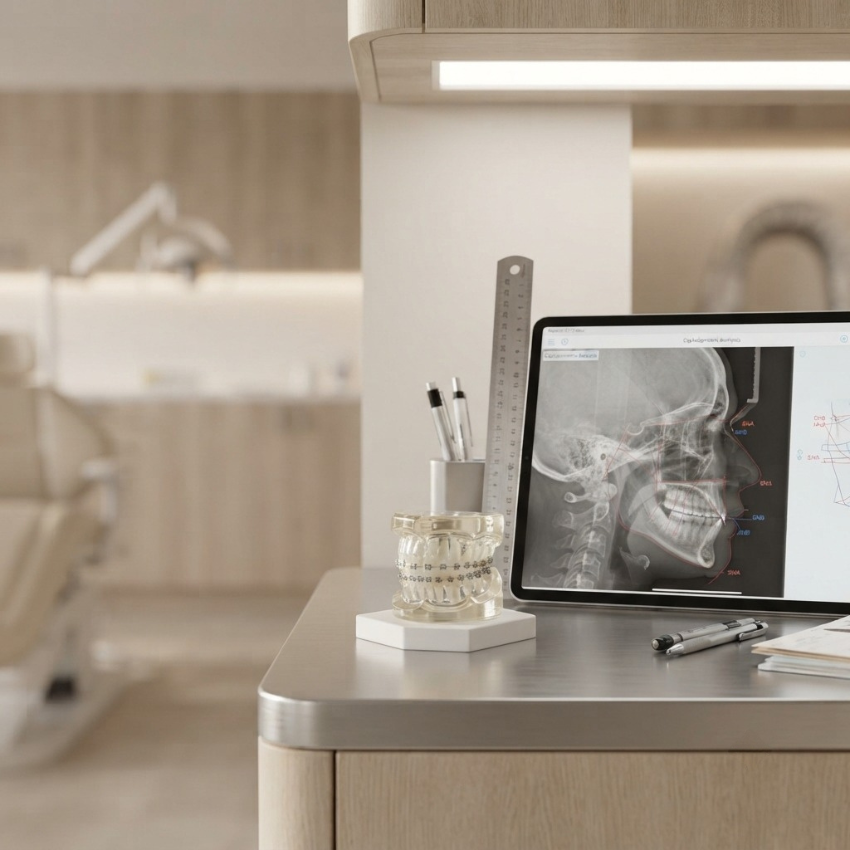
Prior to treatment, we conduct a comprehensive orthodontic study including diagnostic models, photographic analysis, panoramic radiographs, and cephalometric tracings to determine the type of malocclusion (dental, skeletal, or mixed).
Customized Techniques
We have evolved toward more aesthetic and personalized systems to adapt to every need.
Metal braces
The most classic, effective, and versatile technique for complex cases.
Aesthetic braces
Made of ceramic or sapphire, blending with the natural color of the tooth.
Lingual orthodontics
Braces placed on the inner surface of the teeth for total discretion.
Clear aligners (e.g., Invisalign)
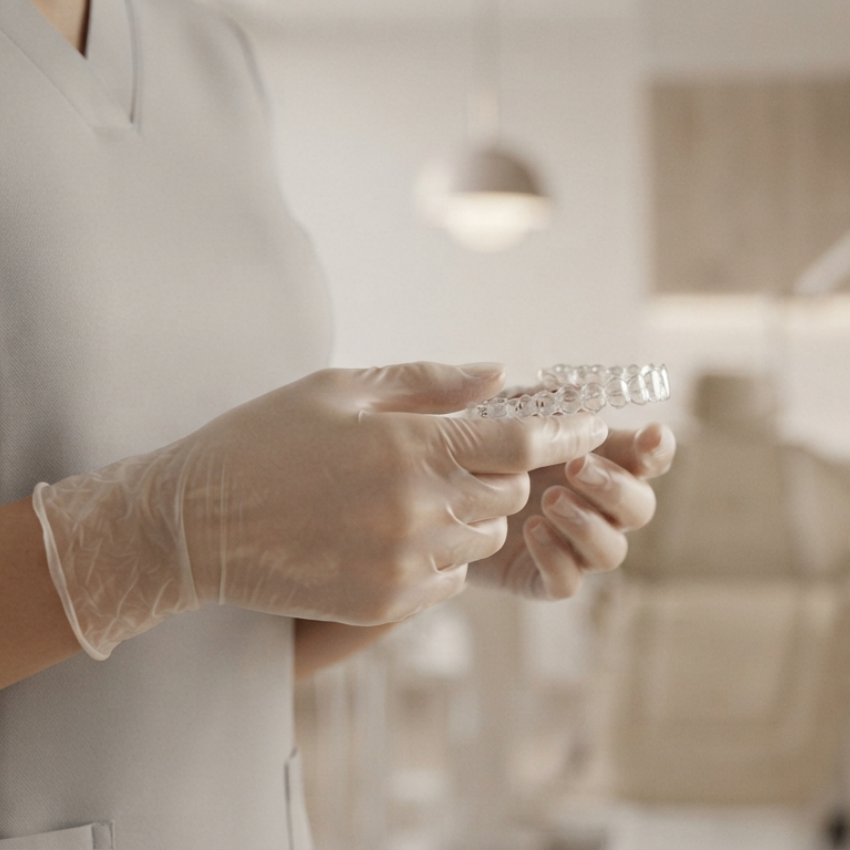
3D digitally designed removable trays, ideal for their aesthetics, comfort, and ease of hygiene.
Interceptive orthodontics
Applied in growing patients to guide bone development and correct habits using functional appliances like palatal expanders.
At what age can treatment begin?
There is no maximum age, but an early evaluation (interceptive orthodontics) is recommended for children to help guide jaw growth.
What is the difference between braces and clear aligners?
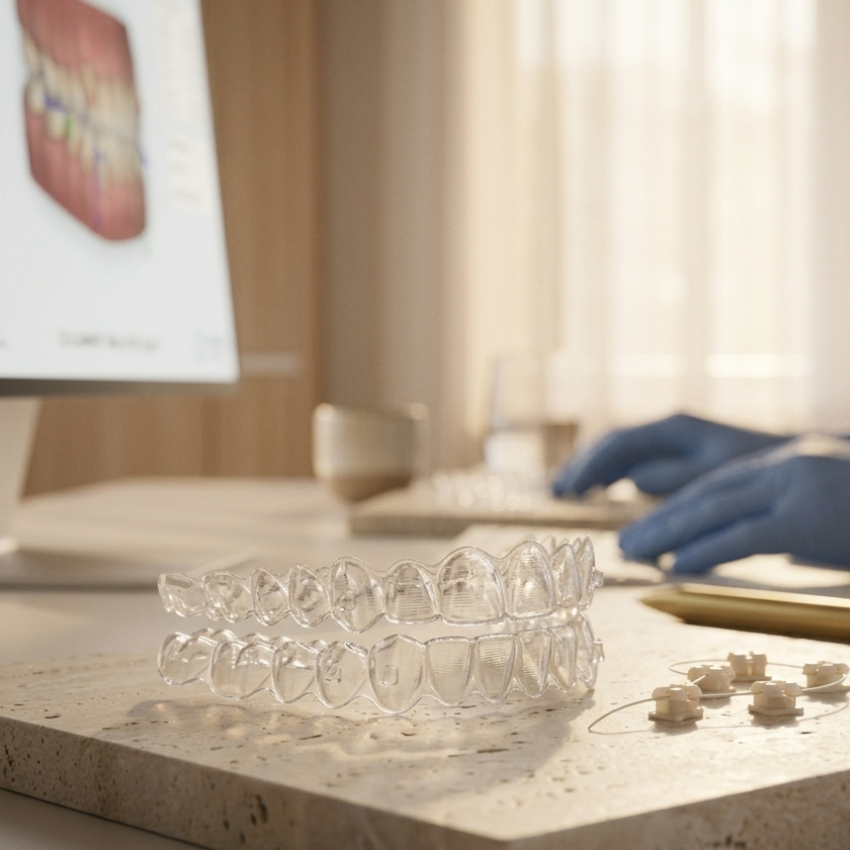
Clear aligners offer greater aesthetics, comfort, and ease of hygiene, while braces remain highly effective for complex cases.
Does tooth movement hurt?
It is normal to feel mild pressure for the first few days following an adjustment, but it is not considered acute pain. This discomfort is generally milder with clear aligners than with traditional braces.
How often will I need checkups?
It depends on the technique used, but checkups are generally scheduled every 4 to 8 weeks to monitor and ensure progress.
Is digital orthodontics better?
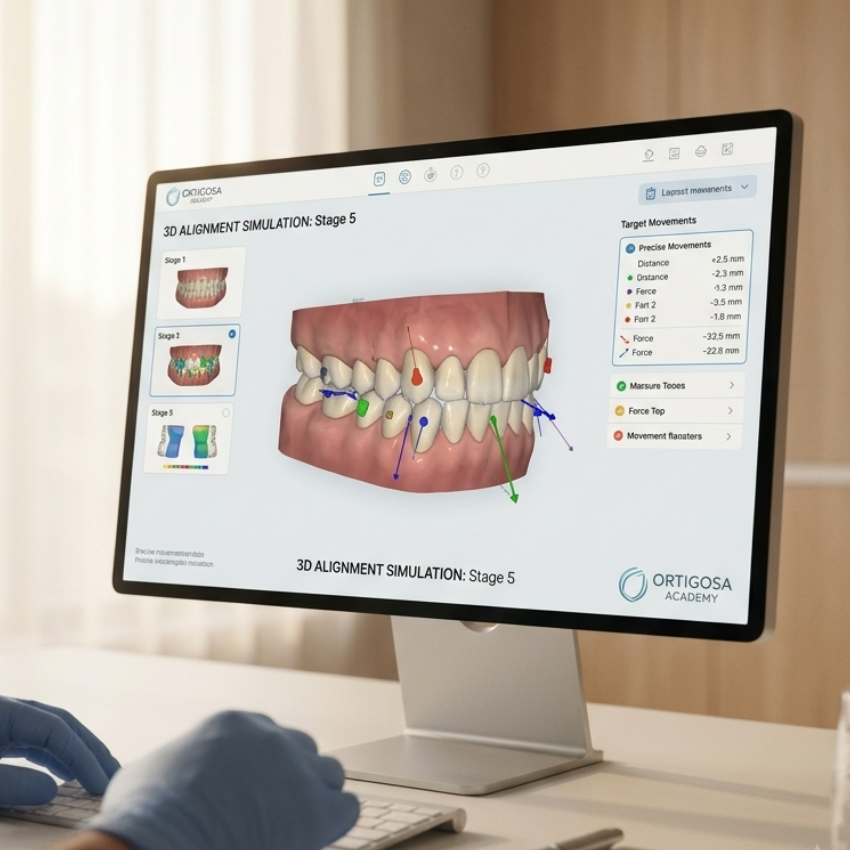
Yes, it enables more precise virtual planning, minimizing errors and making tooth movements much more predictable.