
Treatments
Implantology
Advanced oral rehabilitation solutions with precision technology.
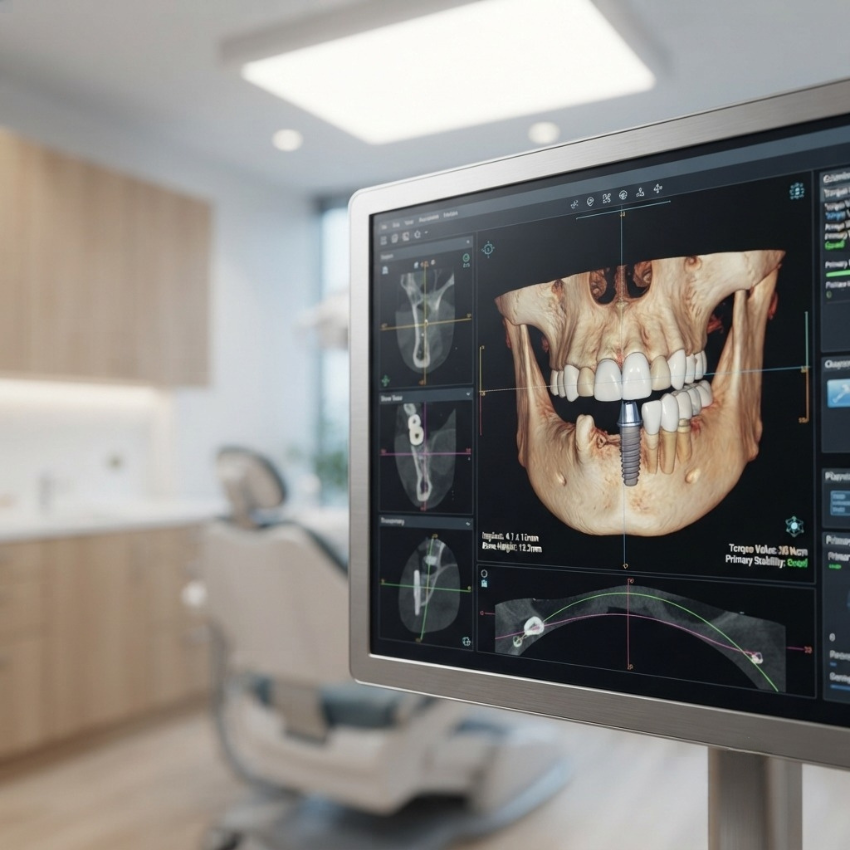
Safety and stability
Osseointegration
Titanium integrates directly with bone tissue without triggering rejection, ensuring long-term stability.
Full function
They precisely restore chewing, speech, and swallowing abilities, acting as artificial roots anchored in the bone that do not shift.
Occlusal balance
They prevent overloading adjacent teeth by properly distributing chewing forces.
Bone preservation and prevention of facial collapse
A significant advantage of our implants is their ability to preserve bone volume through functional stimulation. This prevents progressive resorption following tooth loss, maintaining bone architecture and preventing the aesthetic collapse that accompanies maxillary or mandibular atrophy.
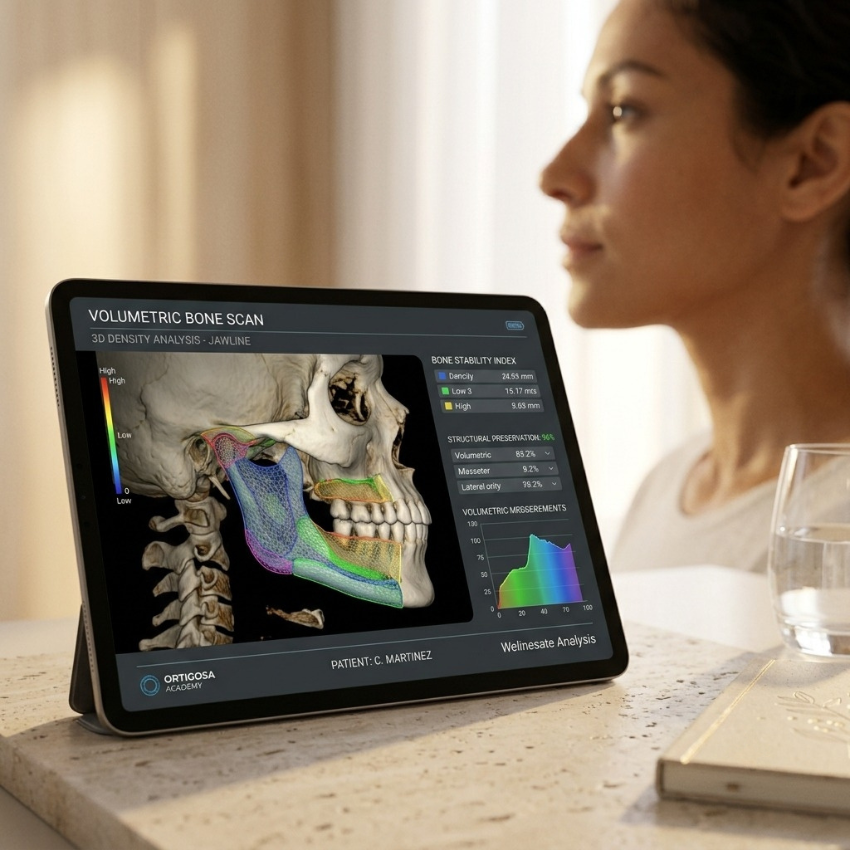
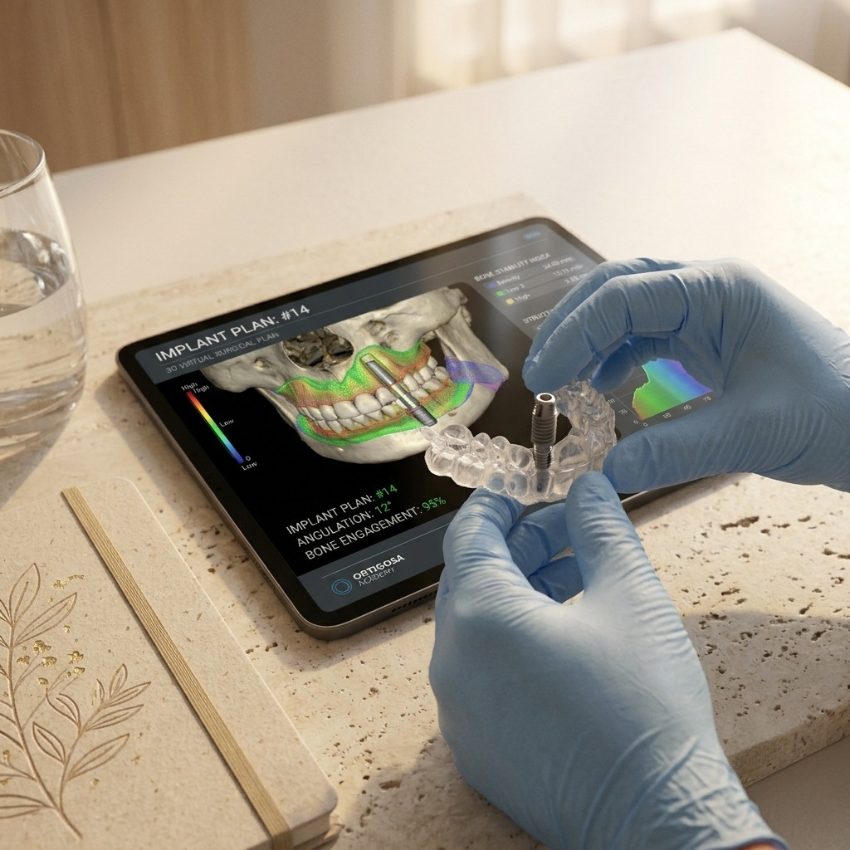
High-precision planning
Thanks to advances in surgical techniques and digital planning, we perform minimally invasive treatments with greater precision and shorter recovery times. These procedures ensure a favorable prognosis and clinical survival that can exceed 15 to 20 years with proper maintenance.
Is there a risk of implant rejection?
Titanium is highly biocompatible and integrates through osseointegration; "rejection" as such does not occur, although integration may fail due to external factors.
How long does a dental implant last?
With proper maintenance and good hygiene, an implant can last more than 15 to 20 years, making it a long-term solution.
Is it possible to place implants in a single session?
Yes, in select cases, immediate loading techniques allow for placing a provisional crown on the same day as surgery.
Is the recovery process long?
Thanks to minimally invasive techniques, the recovery period is shorter and more comfortable than with traditional surgeries.
What if I have little bone?
Currently, bone regeneration techniques exist that prepare the recipient bed to receive the implant with guaranteed success.