
Treatments
Bruxism, TMJ, and Occlusion
We restore the balance and health of your smile.
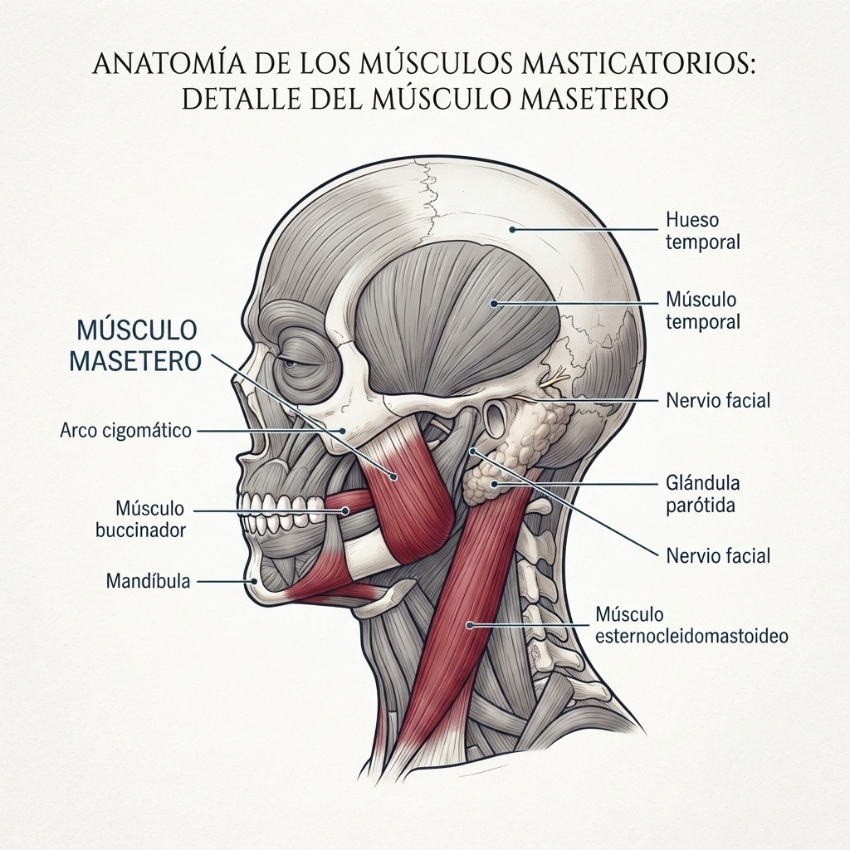
Types of Bruxism
We distinguish two main variants; both forms can coexist in the same individual and have similar clinical repercussions.
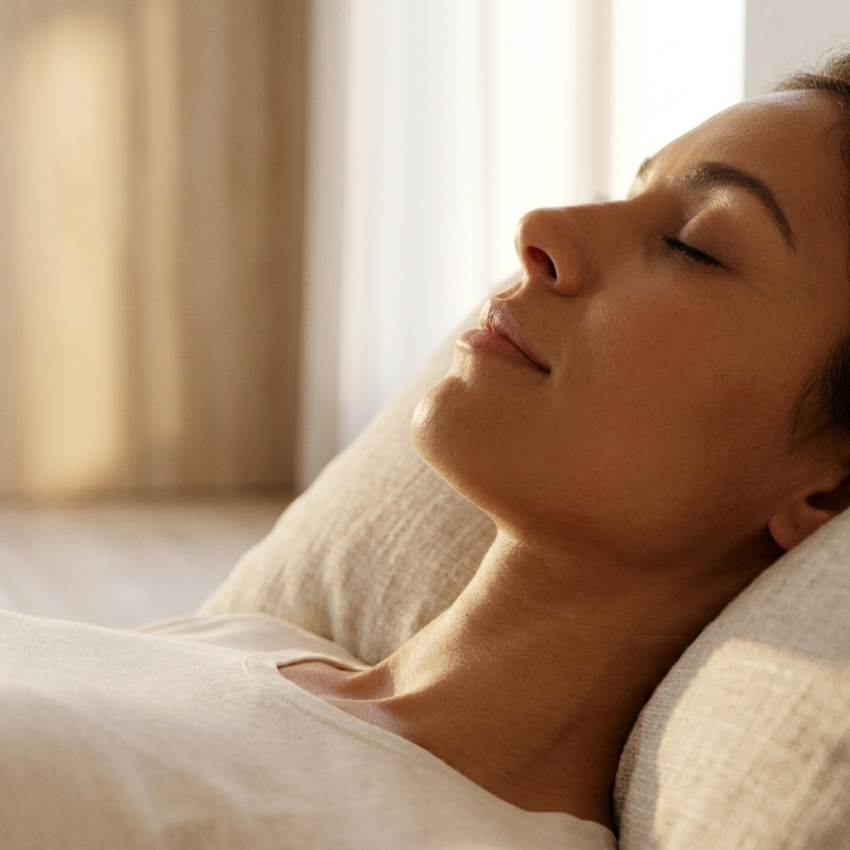
Sleep bruxism
Rhythmic (phasic) or sustained (tonic) activity of the masticatory muscles during sleep, lacking functional purpose.
Awake bruxism
Manifests during consciousness as clenching, sustained tooth contact, or jaw tension, generally associated with psychological factors such as stress or anxiety.
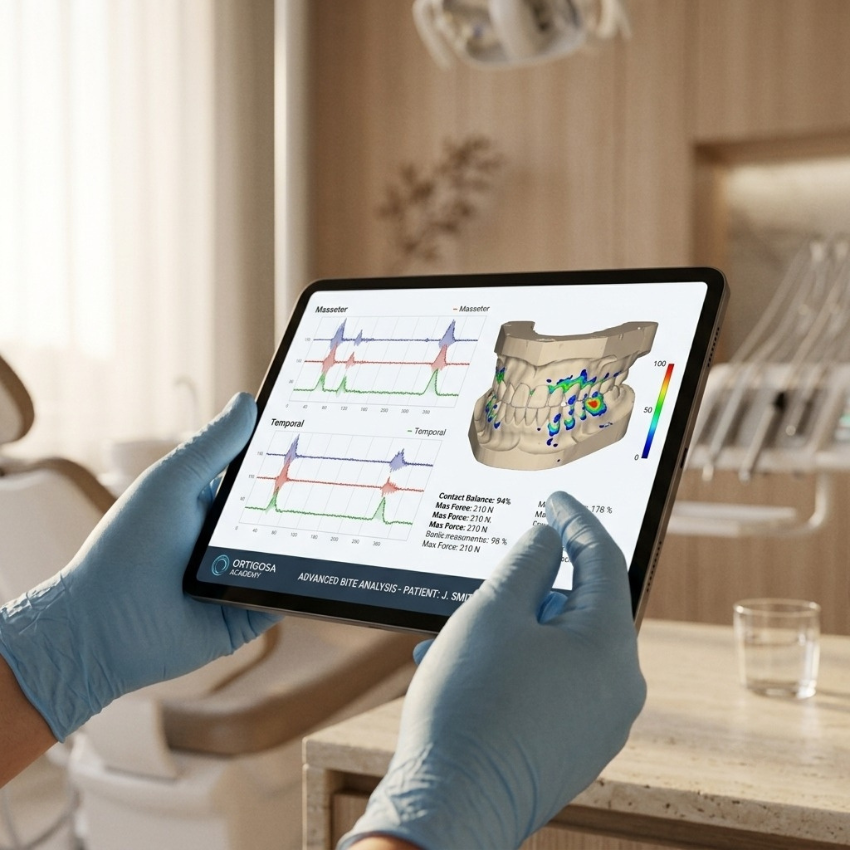

Causes of Bruxism
Bruxism does not have a single cause, but is rather the result of an interaction among multiple factors:
Neurological
Alterations in central motor control mechanisms and REM sleep modulation.
Psychological
Stress, anxiety, mood disorders, and personality traits.
Genetic
Studies have demonstrated a hereditary predisposition in certain cases.
Pharmacological
The use of certain medications, such as SSRI antidepressants, can be associated with increased bruxism.
Occlusal
Although currently considered a secondary factor, occlusal interferences may contribute in specific cases.
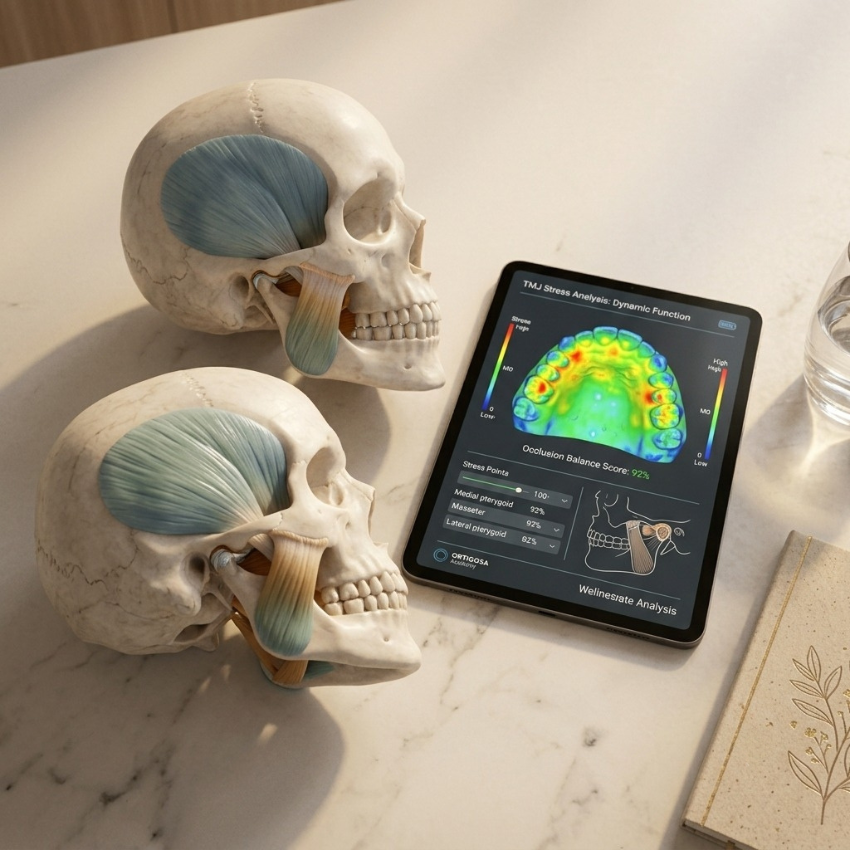
Treatment Options
There is no single definitive cure for bruxism, but management focuses on reducing triggering factors, protecting dental structures, and relieving musculoskeletal symptoms.
Occlusal splints (nightguards)
Removable devices, generally made of rigid acrylic, that redistribute occlusal forces, protect enamel, and reduce muscle activity.
Psychological or behavioral therapy
Stress management techniques, cognitive-behavioral therapy, and relaxation training to address awake bruxism and anxiety triggers.
Physical therapy and myofunctional therapy
Targeted massage, jaw exercises, and myofascial release techniques
Pharmacotherapy
Short-term use of muscle relaxants or other prescribed medications under clinical supervision for severe acute episodes.
Mandibular Advancement Devices (MADs)
Indicated when bruxism coexists with snoring and/or sleep apnea.
What are the main symptoms of bruxism?
Unusual tooth wear, facial pain, dental sensitivity, jaw muscle fatigue upon waking, and frequent headaches.
Is it always necessary to wear a nightguard?
Not always, but nightguards are the standard clinical treatment to protect enamel and relax the musculature during sleep.
Can stress cause bruxism?
Yes, emotional stress is one of the primary triggering factors, although occlusal and anatomical factors can also play a role.
What damage can occur if it is left untreated?
In the long term, untreated bruxism can lead to tooth fractures, gum recession, and irreversible damage to the temporomandibular joint (TMJ).
Is botulinum toxin (Botox) effective for bruxism?
Es una opción complementaria muy eficaz para reducir la hiperactividad de los músculos maseteros y aliviar el dolor asociado.