
Treatments
Orthofacial Surgery
Facial harmony and functionality through surgical precision.
Our Goals
Function
Restoring chewing ability and correcting malocclusions (Class II, Class III, asymmetries).
Aesthetics
Improving facial symmetry and profile.
Health
Optimizing the airway (key in sleep apnea) and joint health.
Joint and Speech Health
By correcting occlusal imbalances, joint overloading is reduced, and proper speech pronunciation is facilitated.

A Comprehensive Transformation
This procedure combines functionality and aesthetics with long-lasting results. Patients experience a significant improvement in their quality of life thanks to:
Definitive correction
Permanent resolution of complex malocclusions.
Facial harmonization
Complete improvement of facial profile and symmetry, with a highly positive impact on patient self-esteem.
Long-term stability
Durable results, especially when combined with well-planned orthodontics.
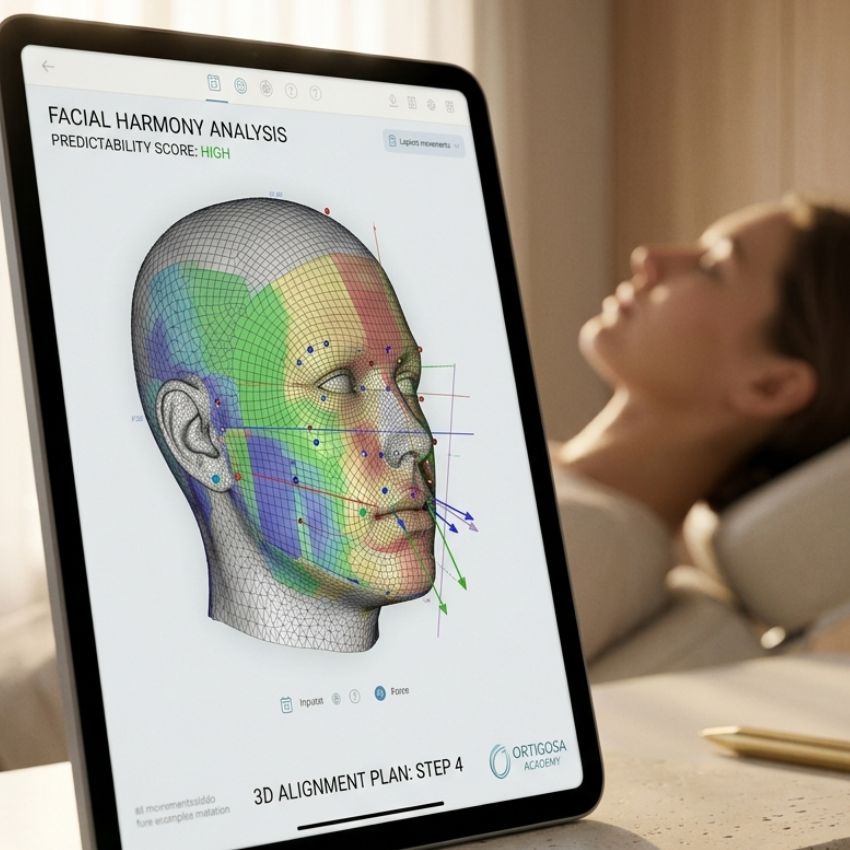
High predictability
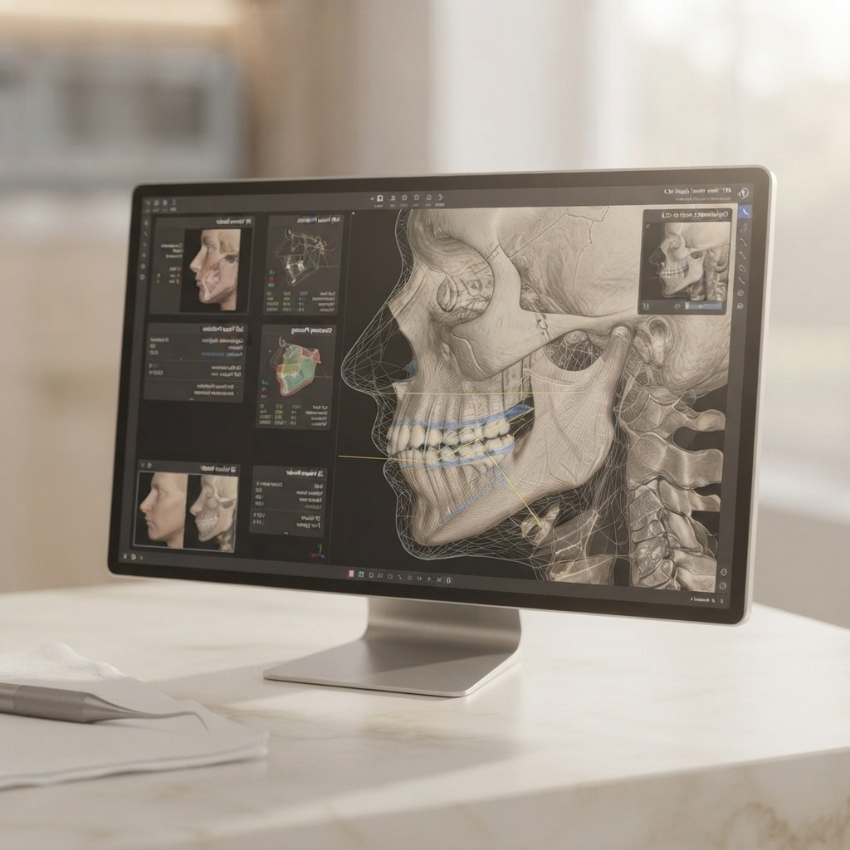
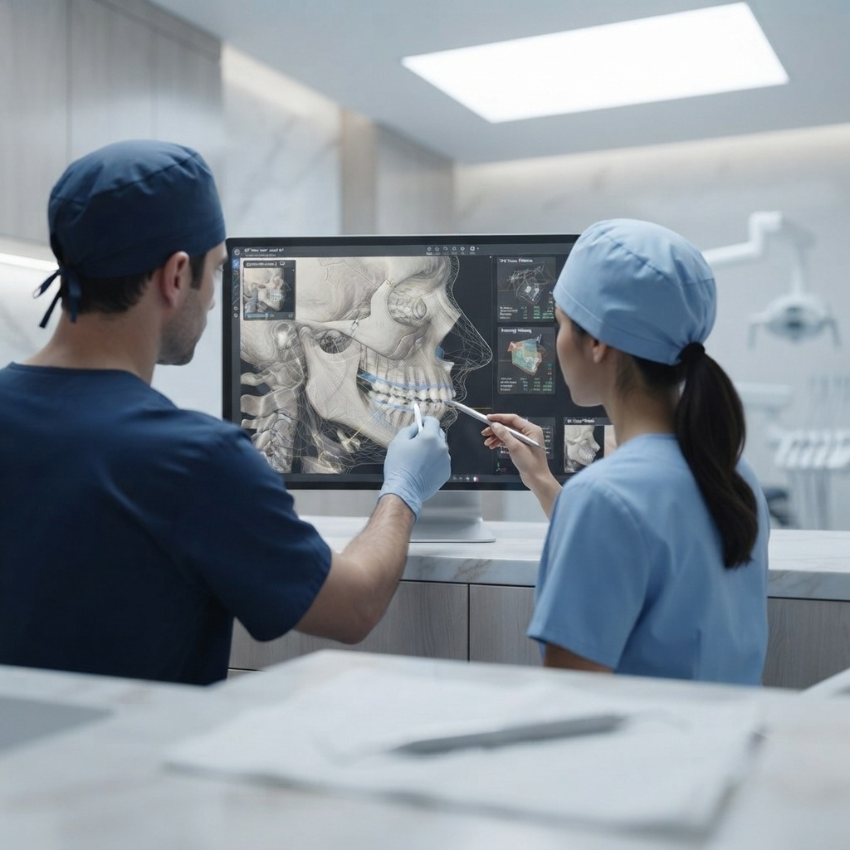
Thanks to the use of digital technology and custom surgical guides, we ensure safe procedures and predictable outcomes.
Its interdisciplinary approach and integration of the latest technology allow us to offer this essential tool for the comprehensive rehabilitation of patients with dentofacial skeletal abnormalities.
The Orthodontist's Role in Orthofacial Surgery
The orthodontist plays an essential role in treating patients who require orthofacial surgery (also called orthognathic surgery). Their work consists of planning and coordinating treatment alongside the maxillofacial surgeon to achieve proper chewing function, a stable occlusion, and balanced facial harmony.
When is this surgery indicated?
When skeletal jaw discrepancies are so severe that conventional orthodontics alone cannot correct them.
Is it a very painful process?
Postoperative care is required, but thanks to modern techniques and pain management, it is manageable with a controlled recovery.
How long does the entire treatment take?
It includes presurgical orthodontics, the surgery itself, and a postsurgical orthodontic phase; total duration varies by case as part of an interdisciplinary process.
How does it improve sleep apnea?
Maxillomandibular advancement increases the volume of the upper airway, facilitating smoother breathing and reducing apnea episodes.
Does digital planning guarantee the result?
Yes, it enables high-precision simulation of bone and facial changes, significantly enhancing the predictability of the final outcome.