
Treatments
Periodontics
Clinical diagnosis, tissue stability, and regenerative protocols based on scientific evidence.

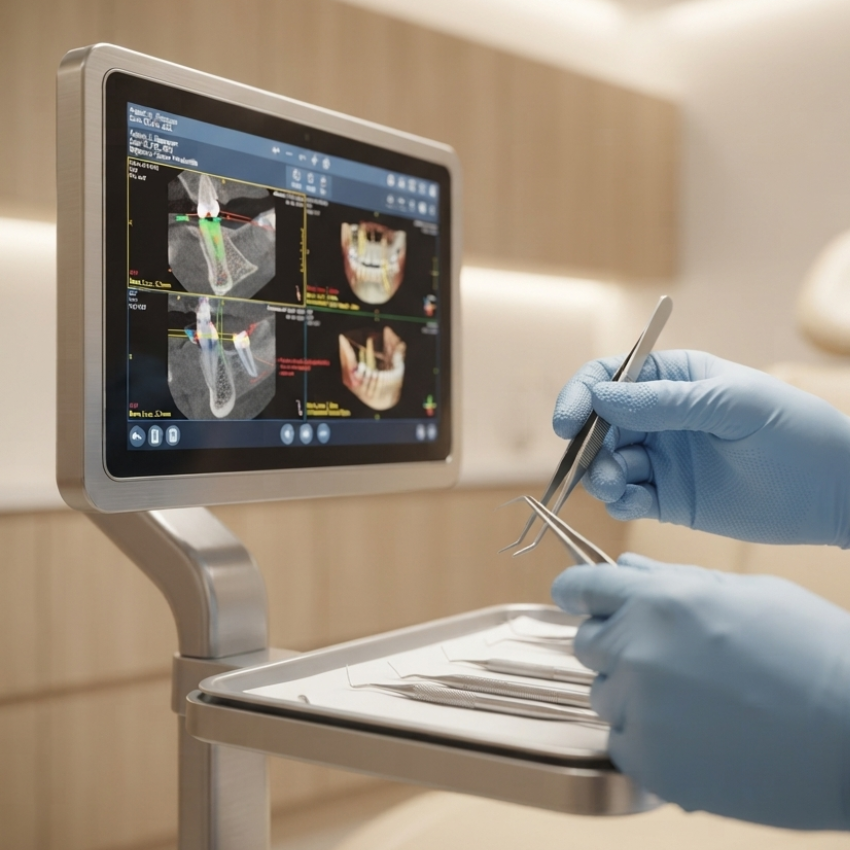
Periodontitis Prevention
The Foundation of Lasting Health
The best way to prevent periodontal disease and maintain tissue stability is based on clear clinical guidelines:
Brush teeth for at least 2 minutes, twice a day
Clean between teeth daily using dental floss or interdental brushes
Visit the dentist for regular checkups and cleanings
Avoid tobacco use
Maintain a balanced diet
Manage systemic conditions such as diabetes
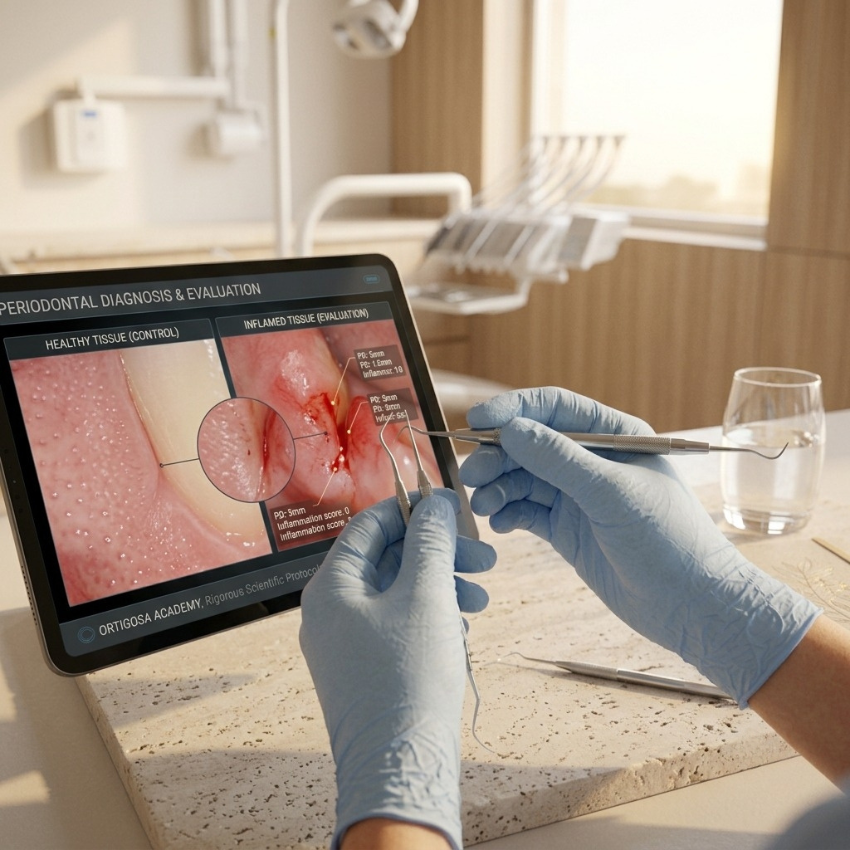

Gingivitis Treatment
Treatment
Gingivitis can be reversed if bacterial plaque is removed and good oral hygiene is maintained.
Proper brushing at least twice a day
Daily use of dental floss or interdental brushes
Professional dental cleaning (prophylaxis)
In some cases, short-term chlorhexidine rinses as prescribed by the dentist
Regular checkups with the dentist
Periodontitis
What is periodontitis?
Periodontitis is a more advanced periodontal disease. It occurs when gingivitis is left untreated and inflammation affects the deep tissues supporting the teeth, causing loss of bone and periodontal ligament.
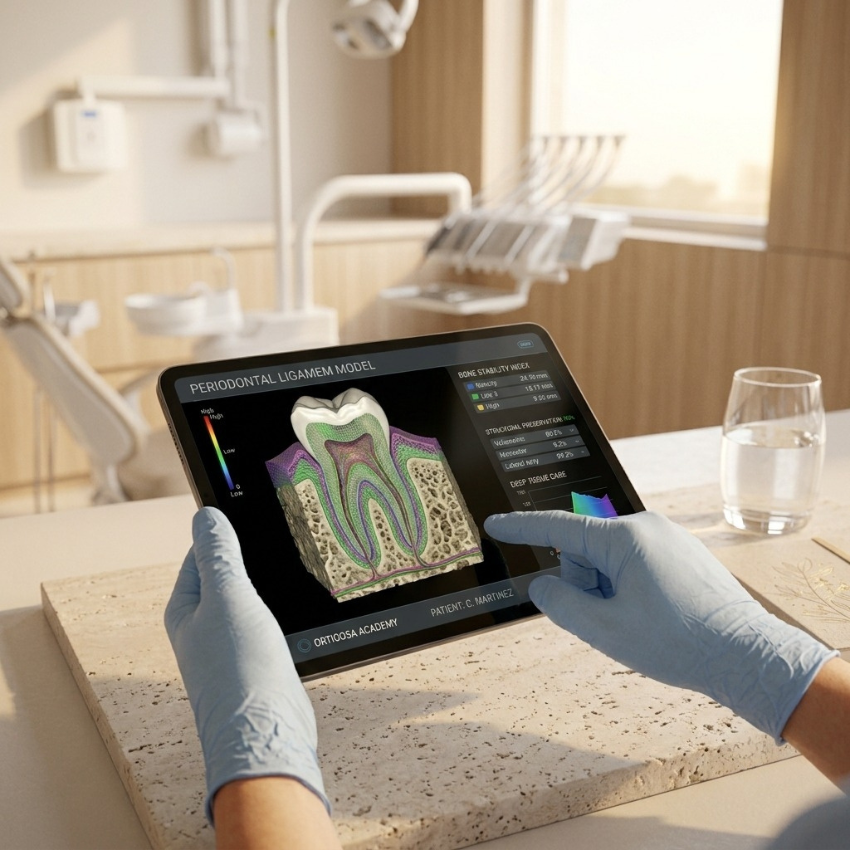

Signs of Periodontitis
Signs and symptoms
It is not completely reversible. Damage to the bone and periodontal ligament usually does not recover spontaneously, although treatment can stop or slow the progression of the disease.
Depending on severity:
Frequent gum bleeding
Swollen or receding gums
Formation of periodontal pockets (spaces between the tooth and gum)
Persistent bad breath
Tooth mobility and spacing between teeth
Chewing pain (not always present) and, in advanced cases, tooth loss
Periodontitis Treatment
Treatment
It is not completely reversible. Damage to the bone and periodontal ligament usually does not recover spontaneously, although treatment can stop or slow the progression of the disease.
Depending on severity:
Initial stage
Oral hygiene instructions and scaling and root planing (deep cleaning to remove plaque and tartar below the gumline).
Moderate or advanced cases
Deep periodontal treatment, antibiotics in specific situations, periodontal surgery when deep pockets or bone defects exist, regenerative therapies, and a periodontal maintenance program every 3–6 months.

What is the difference between gingivitis and periodontitis?
La gingivitis es la fase inicial y más leve de la enfermedad periodontal, caracterizada por la inflamación y sangrado de las encías, y es completamente reversible. La periodontitis es una etapa más avanzada donde la infección afecta a los tejidos profundos y al hueso de soporte, provocando daños que requieren tratamiento especializado para frenar su progresión.
Is it normal for my gums to bleed when I brush?
No, it is never normal. Bleeding while brushing or flossing is one of the main warning signs of gum inflammation or disease (gingivitis or periodontitis) and requires professional evaluation.
Can bone lost due to periodontitis be recovered?
Damage to the bone and periodontal ligament does not recover spontaneously. However, through advanced treatments such as periodontal surgery and selected regenerative therapies, it is possible to stop the disease, stabilize the tooth, and recover part of the supporting tissues.
How is treatment performed in the initial stage?
Initial treatment focuses on eliminating the root cause through strict oral hygiene instructions and a scaling and root planing procedure, which consists of deep cleaning to remove accumulated plaque and tartar beneath the gumline.
How often should I have a periodontal checkup if I've had gum problems?
Once the active phase of treatment is completed, a personalized periodontal maintenance program is established, usually requiring professional checkups and cleanings every 3 to 6 months to ensure long-term stability.