
Treatments
Snoring and Sleep Apnea
We address sleep disorders through advanced dentistry, protecting your overall well-being with precise diagnoses and specialized oral appliances.

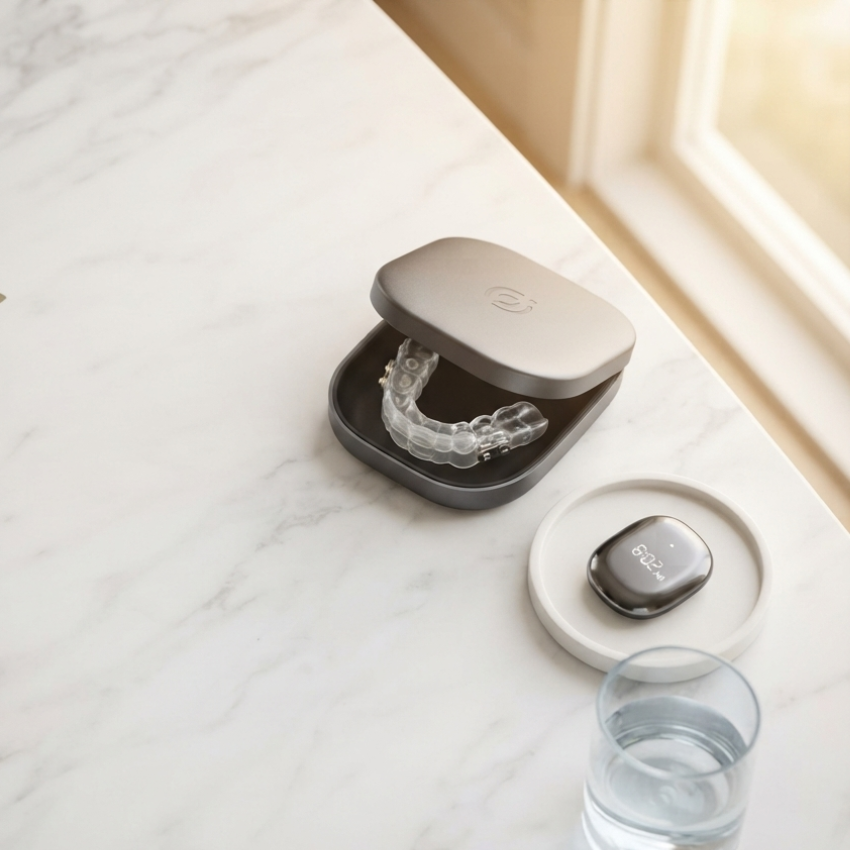
What is Obstructive Sleep Apnea (OSA)?
It is a disorder where the upper airway becomes repeatedly obstructed during sleep, causing pauses in breathing (apneas) or severe reductions in airflow (hypopneas). These interruptions reduce oxygenation and fragment sleep.
Warning symptoms:
Loud, habitual snoring with pauses observed by others
Abrupt awakenings with a choking sensation, dry mouth, and morning headaches
Excessive daytime sleepiness, fatigue, difficulty concentrating, and irritability
Risk factors: Obesity, large neck circumference, advanced age, male gender (and postmenopausal women), family history, smoking, alcohol/sedative use, and craniofacial or jaw abnormalities.
Complications if Left Untreated
Untreated sleep apnea significantly increases the risk of suffering from:
High blood pressure and cardiovascular disease
Stroke and cardiac arrhythmias
Type 2 diabetes
Traffic accidents resulting from severe sleepiness and a clear decline in quality of life
Diagnostic Process
The clinical approach includes a detailed medical history and physical examination, upper airway evaluation, sleepiness questionnaires, and gold-standard diagnostic tests: polysomnography (in-lab sleep study) or home sleep apnea testing in selected patients.
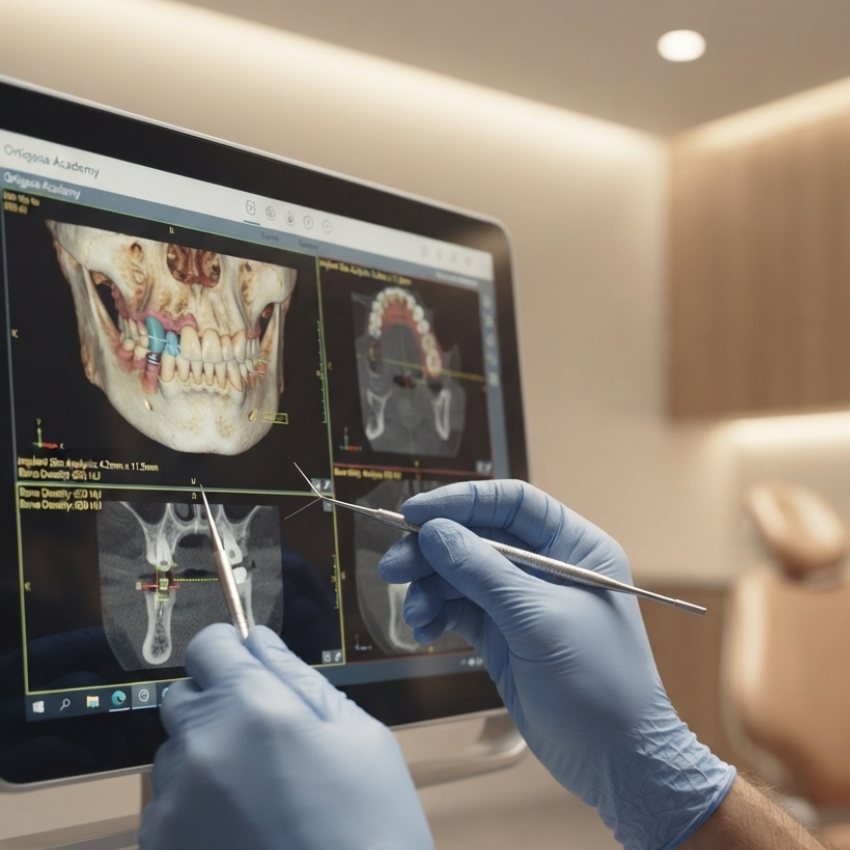

What is the role of a dentist in snoring and sleep apnea?
Dentists play a key role because they evaluate the anatomy of the mouth, palate, and jaw. In addition, they are responsible for custom-designing and fitting Mandibular Advancement Devices (MADs)—intraoral appliances tailored to effectively treat snoring as well as mild to moderate sleep apnea.
What is the difference between simple snoring and obstructive sleep apnea (OSA)?
Snoring is the sound produced by the vibration of tissues as air passes through a partially narrowed airway. In contrast, obstructive sleep apnea (OSA) occurs when the airway becomes repeatedly blocked, leading to actual pauses in breathing and a drop in blood oxygen levels during the night.
What are Mandibular Advancement Devices (MADs) and how do they work?
They are custom intraoral appliances that patients wear while sleeping. Their function is to slightly position the jaw and tongue forward, preventing tissue collapse and widening the upper airway to facilitate smooth breathing.
What are the consequences of leaving sleep apnea untreated?
If left undiagnosed and untreated, sleep apnea significantly increases the risk of high blood pressure, cardiovascular disease, stroke, type 2 diabetes, and cardiac arrhythmias, while causing severe daytime sleepiness that impacts safety and quality of life.
How do I know if I need a sleep study or an evaluation?
If you experience loud, habitual snoring, breathing pauses observed by someone else, waking up choking or with a dry mouth, or excessive daytime sleepiness, it is essential to undergo a medical and dental evaluation to determine if a sleep study (such as a polysomnography) is required.